Lessac Kinesensics: Introduction for SLPs
Body, Voice, and Speech Training for SLPs
Register for Lessac Kinesensics Course
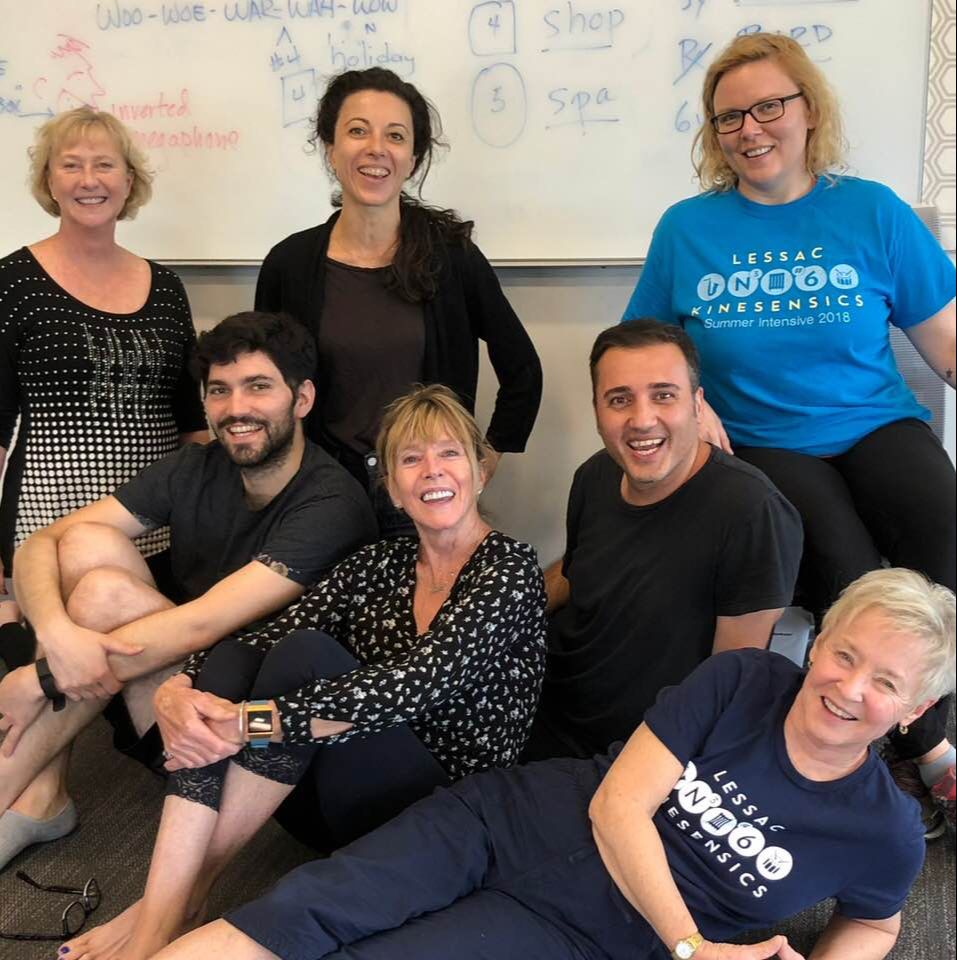
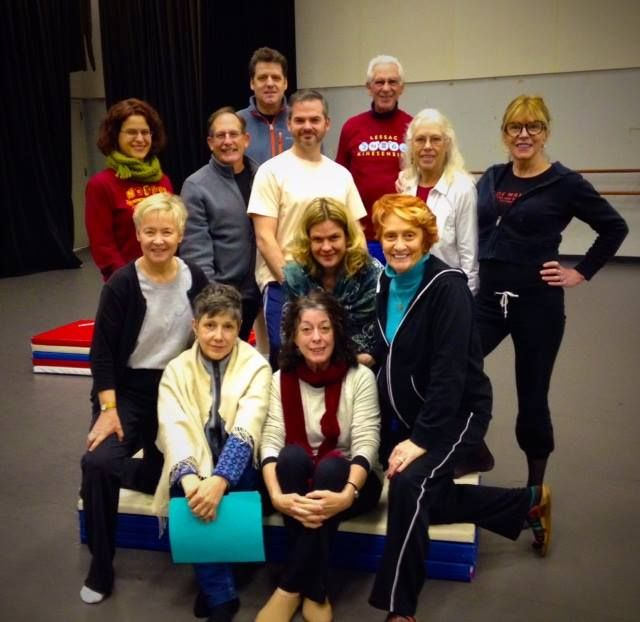
Lessac Kinesensics is an online webinar introducing Lessac Kinesensics for application to speech-language pathology. The course focuses on body, voice, and speech training, with attention to how Lessac principles may be used clinically with individuals with voice disorders and possibly fluency disorders.
This course is designed as a Basic Introduction to Lessac Kinesensics. It is an abbreviated version of longer, more intensive Lessac teacher-training courses, adapted for SLPs and clinicians in training who want to understand the foundations of Lessac work and explore its clinical relevance.
The course is delivered online, making it accessible to clinicians who want to complete the training from their own location and return to the material as part of their continued learning.
The Clinical Reasoning Behind Lessac Kinesensics
Lessac Kinesensics offers a structured way to explore the relationship between body, voice, speech, sensation, and communication. The course introduces Lessac body, voice, and speech “energies,” often referred to as NRGs, and considers how these patterns may support clinical thinking and intervention, in a more holistic and integrated manner than in typical SLP tradition.
For SLPs, Lessac work provides a way to think about voice and speech as embodied behaviors, not only as mechanical output. Participants explore how body and voice/speech NRGs may be applied to individuals with voice disorders.
The course also includes data from clinical trials on Lessac-Madsen Resonant Voice Therapy (LMRVT), a clinical outgrowth of Lessac work for individuals with voice disorders.
What This Course Covers
This online course introduces the basic principles of Lessac Kinesensics and their application to speech-language pathology. Participants explore Lessac concepts such as the inner and outer environment, breathing to upright orientation, body relaxer/energizers, body NRGs, and voice training principles.
The course specifically addresses body buoyancy, body potency, body radiancy, consonant NRG, tonal NRG, structural NRG, real-life applications, and clinical journeys. This work can supplement any voice therapy program including LMRVT. This course will help participants connect Lessac body, voice, and speech training to clinical reasoning and real-world communication and performance.
Although the course was created for SLPs, others interested in speech voice training are welcome to attend. However, they may not use the course content for clinical purposes.
Participants learn from faculty with deep experience in Lessac training and clinical voice work. Nancy Krebs is one of few Lessac Master Teachers worldwide, and Dr. Katherine Verdolini Abbott brings her background in Lessac training, singing, LMRVT, voice and cognitive science, and speech-language pathology to the course materials.
The course package includes the Lessac Workbook to support learning, self-practice, and clinical reflection.
Participants also complete course knowledge checks to support learning and meet completion requirements.
Course registration includes access to free group coaching sessions offered four times per year for two years. These sessions give participants opportunities to ask questions, review course concepts, and strengthen clinical implementation.
Who This Course Is For
This course is designed for:
- SLPs working with individuals with voice disorder
- SLPS interested in body, voice, and speech training
- Clinicians who want a basic introduction to Lessac Kinesensics
- Clinicians who want a broader foundation in embodied voice and speech work
- SLPs interested in the connection between performing arts traditions and clinical practice
- Vocal performers who are looking for an introduction to the Lessac voice and speech work
- Clinicians interested in possible applications to fluency and communication disorders more broadly
What You Will Learn
By the end of the course, participants will be prepared to:
- Demonstrate three Lessac body NRGs.
- Demonstrate three Lessac voice/speech NRGs.
- Describe how Lessac NRGs may be applied to individuals with voice disorders.
- Describe data from clinical trials on LMRVT.
- Connect Lessac concepts with clinical reasoning in speech-language pathology.
- Explain basic Lessac principles related to body, voice, speech, breathing, resonance, and real-life application.
CEUs and Certificate of Completion
Upon successful completion of the required course components, participants receive a certificate of completion. We are currently applying for ASHA Continuing Education Units for this course; however, ASHA CEUs are not yet available.
Why Learn Lessac Kinesensics?
With this course you will:
- Learn a body, voice, and speech training approach from a theatre tradition, adapted for application to SLP.
- Study Lessac Kinesensics with attention to clinical use for individuals with voice disorders, and possible fluency-related applications.
- Explore Lessac body, voice, and speech NRGs through structured practice, clinical discussion, and real-life application.
- Connect Lessac principles with likely acoustic and aerodynamic functions, LMRVT outcome data, and clinical reasoning in voice therapy and training.
- Learn through the expertise of Nancy Krebs, Lessac Master Teacher, and Katherine Verdolini Abbott’s background in Lessac work, performing arts, LMRVT, and voice and cognitive science.
- Receive the Lessac workbook to support learning, self-practice, and clinical reflection.
- Complete course knowledge checks and receive a certificate of completion.
Ready to Learn?
Register for Lessac Kinesensics: Introduction for SLPs to build a structured foundation in Lessac Kinesensics and its application to speech-language pathology.
Lessac Kinesensics: Introduction for SLPs: $299